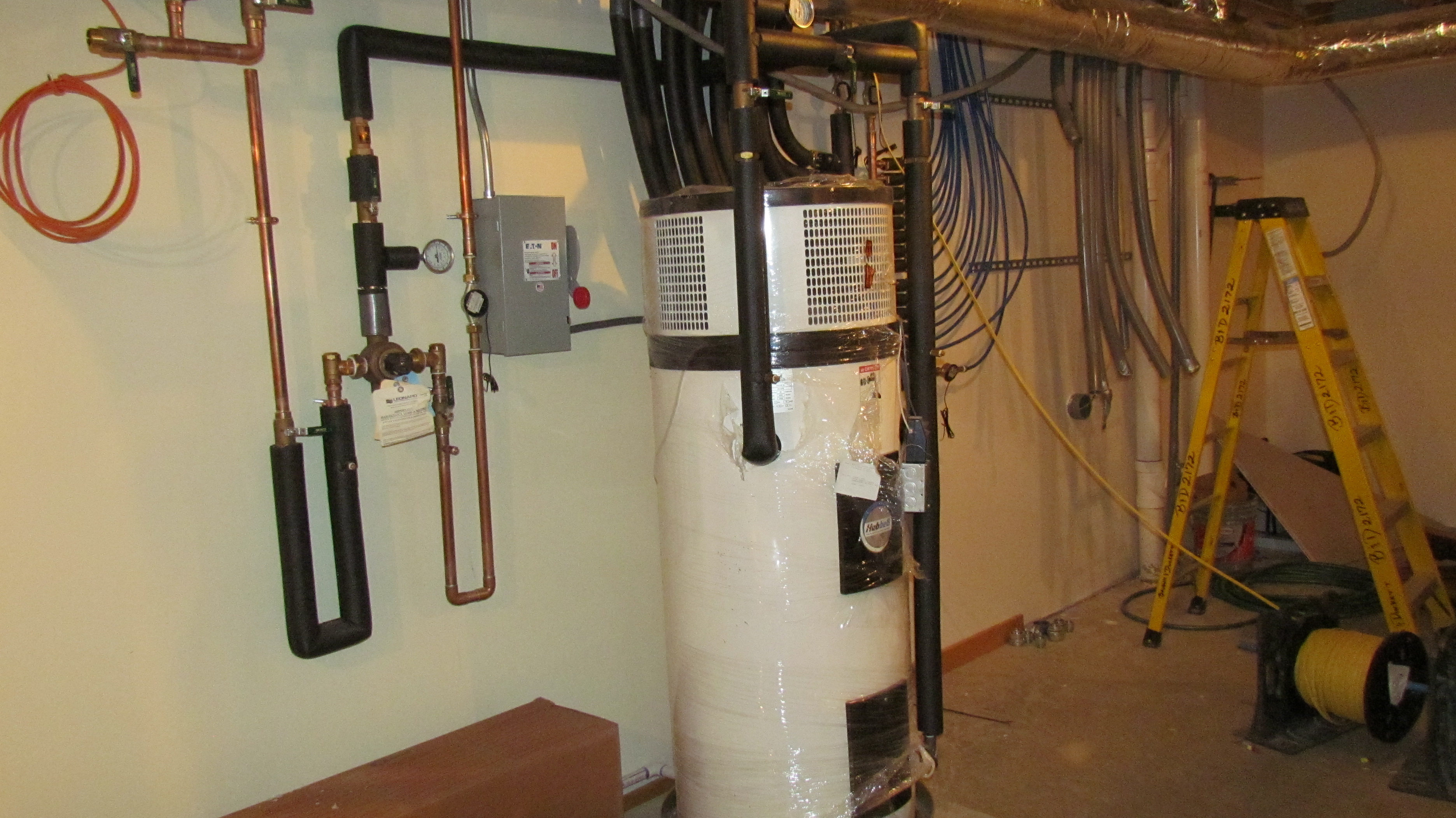
San Mateo homeowners could receive more time and additional exemptions under proposed changes to the Bay Area’s water-heater emissions standards.
The Bay Area Air District board is scheduled to consider the amendments Wednesday, Nov. 4. The proposal would move the zero-nitrogen-oxide manufacturing cutoff for many covered residential water heaters from Jan. 1, 2027, to Jan. 1, 2028.
The rule does not require homeowners to remove functioning water heaters. It governs sales and installations of covered equipment, with compliance tied to when the equipment was manufactured.
According to the board presentation, staff estimate that exemptions and continued sales of small-capacity units could cover approximately half of water-heater installations.
If the board rejects the amendments, the existing requirements adopted in March 2023 would remain. Those requirements do not include the proposed exemptions for affordability and installation barriers.
Who could qualify
The proposed rule includes several paths for installing a gas water heater that does not meet the zero-nitrogen-oxide standard.
Property owners could qualify through participation in specified assistance programs, including CARE and LIHEAP, or household income at or below 80% of area median income. Owners whose annual mortgage and property tax payments equal at least 28% of gross household income would also qualify.
Applicants would need an exemption certificate before installation. The proposed process relies on self-attestation, with contractor certification required for electrical constraints.
One-time exemptions for existing buildings would address specified electrical and space barriers. Examples include a required new 240-volt connection with more than 50 feet of conduit, insufficient panel capacity or no available breaker or expansion space.
Space exemptions have additional conditions. These include an enclosure smaller than 700 cubic feet that cannot accommodate specified ventilation improvements, or ceilings below the rule’s minimum heights.
The proposal would also allow continued sales of small-capacity gas water heaters.
Costs and incentives
District staff analyzed more than 4,000 Bay Area installations and estimated average upfront costs of $3,575 for a gas-to-gas replacement and $7,071 for a heat-pump water heater.
The presentation estimates annual utility savings of $40 to $50 and a net household cost equivalent to about $33 a month over 13 years. Actual costs would depend on the property and project.
Some incentives have ended or become fully reserved. The IRS says the Section 25C credit is unavailable for property placed in service after Dec. 31, 2025. TECH Clean California says its single-family heat-pump incentives became fully reserved Nov. 14, 2025.
San Mateo residents can check local incentive information through WestLight Energy, formerly Peninsula Clean Energy. Confirm current terms before including rebates in a project budget.
Longer timelines and public comment
Other proposed provisions would extend compliance timelines to 2033 for larger equipment and qualifying installations in multifamily buildings, deed-restricted affordable housing and certain other properties.
Contractors could install temporary gas replacements while arranging a compliant unit. The temporary heater would have to be removed within 12 months or qualify for a permanent exemption.
Housing groups have raised concerns about costs and disruption. An Oct. 6 statement published by the Contra Costa Herald announced plans to oppose the rules at an earlier board meeting.
The district says the standards aim to reduce air pollution, while acknowledging that exemptions and delays would postpone some emissions reductions.
The Nov. 4 meeting begins at 9 a.m. in the first-floor boardroom at Bay Area Metro Center, 375 Beale St., San Francisco, according to the agenda.
Residents can also participate through Zoom. The agenda generally allows two minutes per speaker when an item is considered, unless the chair sets a different limit.