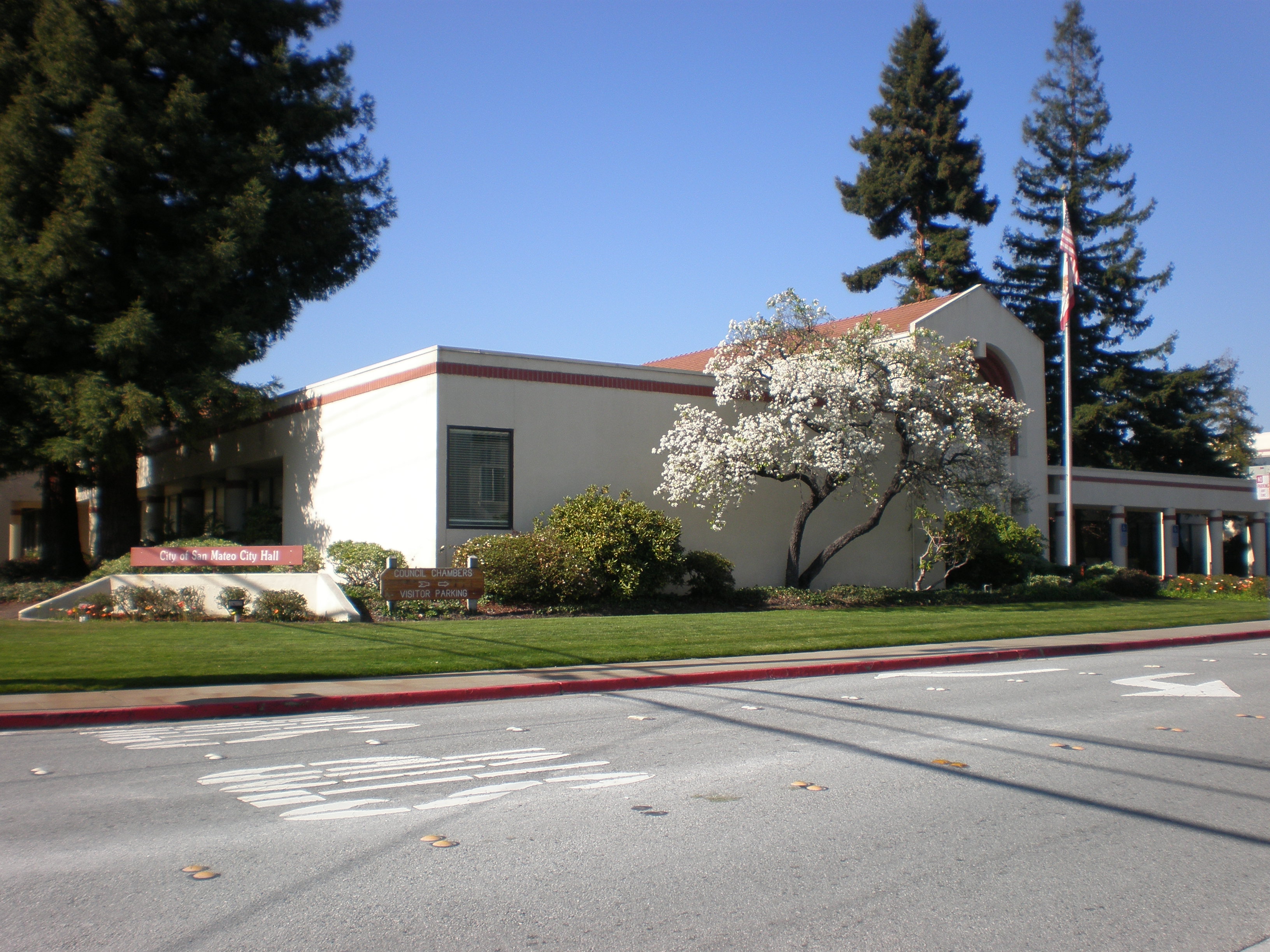
San Mateo's Planning Commission will review draft rules for high-density housing and mixed-use districts at a study session Tuesday, Nov. 17, at 7 p.m. The meeting will be held at City Hall Council Chambers, 330 W. 20th Ave., with remote participation available through Zoom.
The session is part of the city's Comprehensive Zoning Code Update, a rewrite of the rules governing what can be built on every parcel in San Mateo. It is the first comprehensive overhaul of the city's zoning code (Title 27) in more than 40 years, according to a city staff report prepared for the City Council.
Commissioners will hear a presentation on draft high-density residential districts, mixed-use districts and a community benefits program, according to the city's Strive San Mateo outreach page. The commission will provide feedback to guide continued development of those standards. No final decisions are expected.
Why the city is rewriting its zoning code
The update aligns the zoning code with General Plan 2040, which the City Council adopted March 18, 2024. In November 2024, voters approved Measure T, which increased height and density limits in 10 specified study areas and allowed full implementation of the General Plan's Land Use Element, the staff report states.
The project also implements the city's 2023–2031 Housing Element and addresses compliance with state housing laws. Consultant PlaceWorks is leading the technical work under a professional services agreement the City Council approved June 16, 2025. The project is funded through the Advance Planning Fund and does not draw from the city's General Fund, according to the staff report.
Building heights remain a flashpoint
Building height limits have been regulated by voter-approved initiatives since 1992, including Measures H, P and Y. A Phase 1 outreach summary published in August 2026 found that survey respondents were split on whether current height limits are too high or too low, with more saying limits are too high. More respondents favored protecting neighborhood character and existing scale, while others emphasized housing opportunities and affordability.
The summary reports approximately 639 participants across a workshop, two online surveys and stakeholder meetings. That total does not establish how many different people participated. Phase 1 also included City Council and Planning Commission sessions.
Six key issues are guiding community discussion: building height limits, commercial uses and regulations, single-family residential regulations, public noticing requirements, open space requirements and setbacks or buffers.
How to weigh in
Residents can check for the Nov. 17 agenda through the city's Agendas, Minutes, and Public Meeting Portal. Residents can attend in person, join by Zoom using the link in the agenda, or submit written comments by email to [email protected]. Emails for a 7 p.m. meeting must arrive by 4 p.m. the same day to be shared with commissioners.
Sung H. Kwon, deputy director of Community Development, is the city staff contact for the project and can be reached at [email protected] or 650-522-7203. The February staff report anticipated final adoption hearings for the updated zoning code and zoning map in summer 2027.