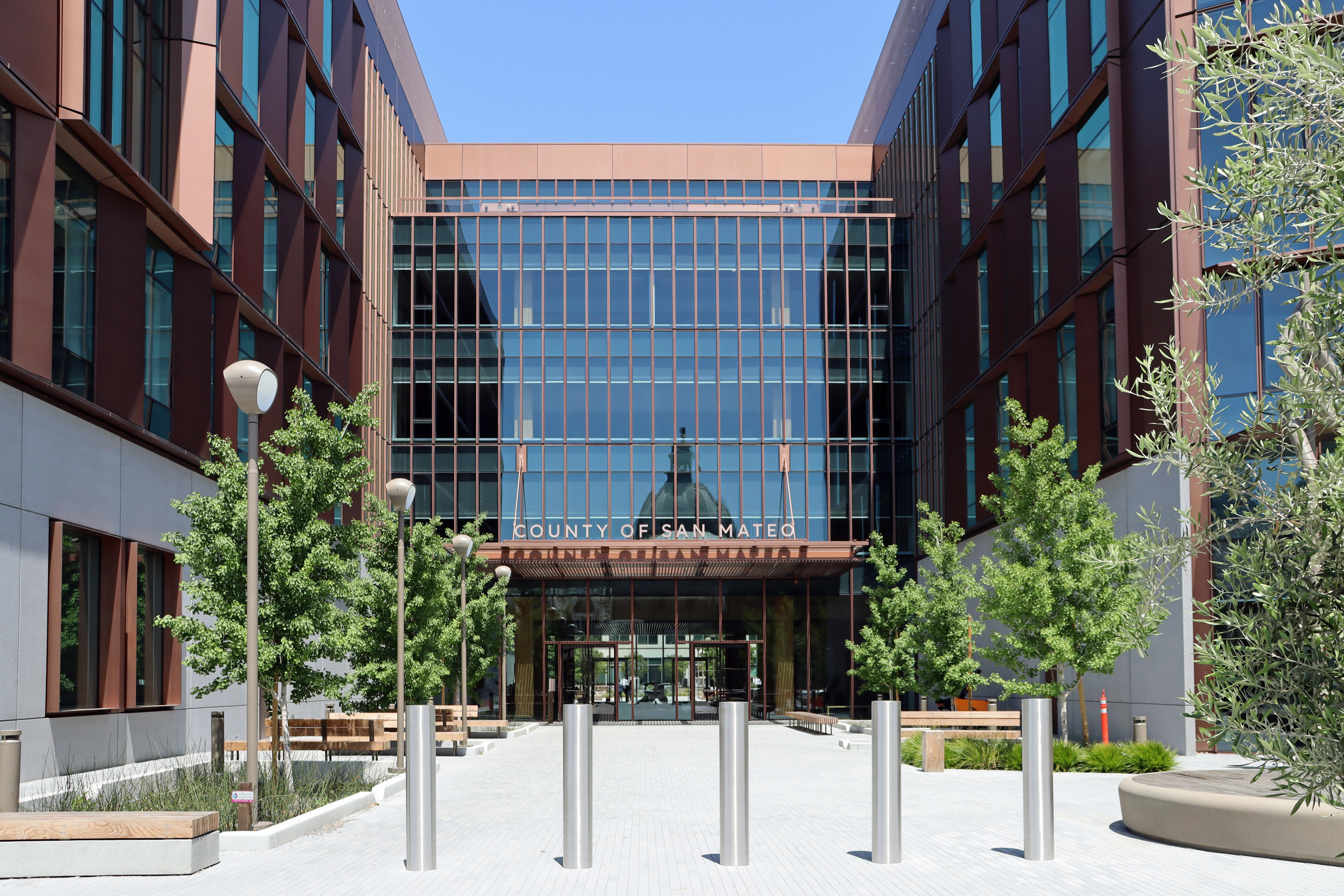
San Mateo County's Board of Supervisors approved a $6.2 billion budget on Tuesday, Sept. 29. The spending plan holds services steady but flags a $226 million state funding shortfall that threatens up to 1,000 public jobs countywide.
The 2026-27 budget continues funding for health care, affordable housing, food assistance and public safety, according to the county. For the city of San Mateo specifically, the stakes are sharp: City Manager Alex Khojikian has said the city's share of the shortfall jumped from $7.1 million to $12.9 million, affecting its 105,000 residents, according to Peninsula 360 Press.
The budget adds only three net positions, bringing the county's authorized workforce to 5,948. General Fund reserves sit at $624.8 million, or 15.6% of net appropriations. The $6.2 billion total includes roughly $983 million rolled over from the prior fiscal year for projects approved but not yet completed.
The budget assumes Sacramento will provide the full vehicle license fee replacement funding owed to San Mateo County under a state funding mechanism created in 2004 that has produced a growing shortfall in recent years.
"The state made a promise to every county more than twenty years ago, and these last few years it has used a broken payment mechanism to renege on that promise …" Callagy said. He called on the state to correct the formula or find a long-term solution.
The VLF gap nearly doubled in one year, jumping from about $119 million in fiscal year 2024-25 to $226 million in 2025-26. Without a permanent fix, the county estimates cumulative losses will top $1 billion by 2030. The county has drawn roughly $40 million from reserves in each of the past two years to cover the gap, a pace officials call unsustainable.
Without state action, the county could lose up to 1,000 jobs, 600 of them within county government alone, and be forced to cut programs.
The state Legislature took a first step in its 2026 session. Budget trailer bill AB 184 states the Legislature's intent to work with San Mateo, Mono and Alpine counties on a solution starting in fiscal year 2027-28. But intent language does not restore any dollars.
In a Sept. 3 county statement responding to AB 184, Callagy said the county is "managing an impossible equation … preparing our organizations for a future that could include massive cuts."
Beyond the VLF fight, the budget earmarks $793 million for previously approved capital projects. New investments include $50 million for workforce housing, $35 million for Coastside projects, $10 million for a child care initiative, $7 million pledged to the American Cancer Society's planned Bay Area Hope Lodge for cancer patients and $5 million for parks.
About 52,000 Medi-Cal beneficiaries in the county face new eligibility, work and documentation requirements that could disrupt coverage, according to the county budget.
Board President Noelia Corzo said the budget will allow the county to keep providing services residents rely on while preparing for what comes next. Residents can track the VLF funding fight and its potential local impacts at smcfairfunding.org.