More than 750,000 records documenting how West Coast immigrant families became Americans could be shipped to Seattle under a federal plan to shutter the National Archives facility in San Bruno on a two- to three-year timeline, according to reporting by the San Mateo Daily Journal.
Grant Din, co-chair of Save Our National Archives, said the closure would be devastating for descendants trying to trace their roots. Din, himself a descendant of immigrants whose files are held at the San Bruno site, is helping lead a letter-writing campaign to block the move.
"A lot of the files that are in both San Bruno and Chicago are Asian immigrant files," Din told the Daily Journal. "To disperse them and make it difficult to research them makes it hard to show how your family became Americans."
The closure plan became public after the Daily Journal reported on an internal email from Jay Trainer, the National Archives and Records Administration's chief operating officer, informing employees that both the San Bruno and Chicago facilities would shut down. Temporary records would move to the Seattle Federal Records Center, a process Trainer's email said could begin within months. The email did not cite a reason for the closures.
NARA has not issued a formal public statement beyond Trainer's internal communication. The full timeline for the records transfer and any plan for continued public access remain unclear.
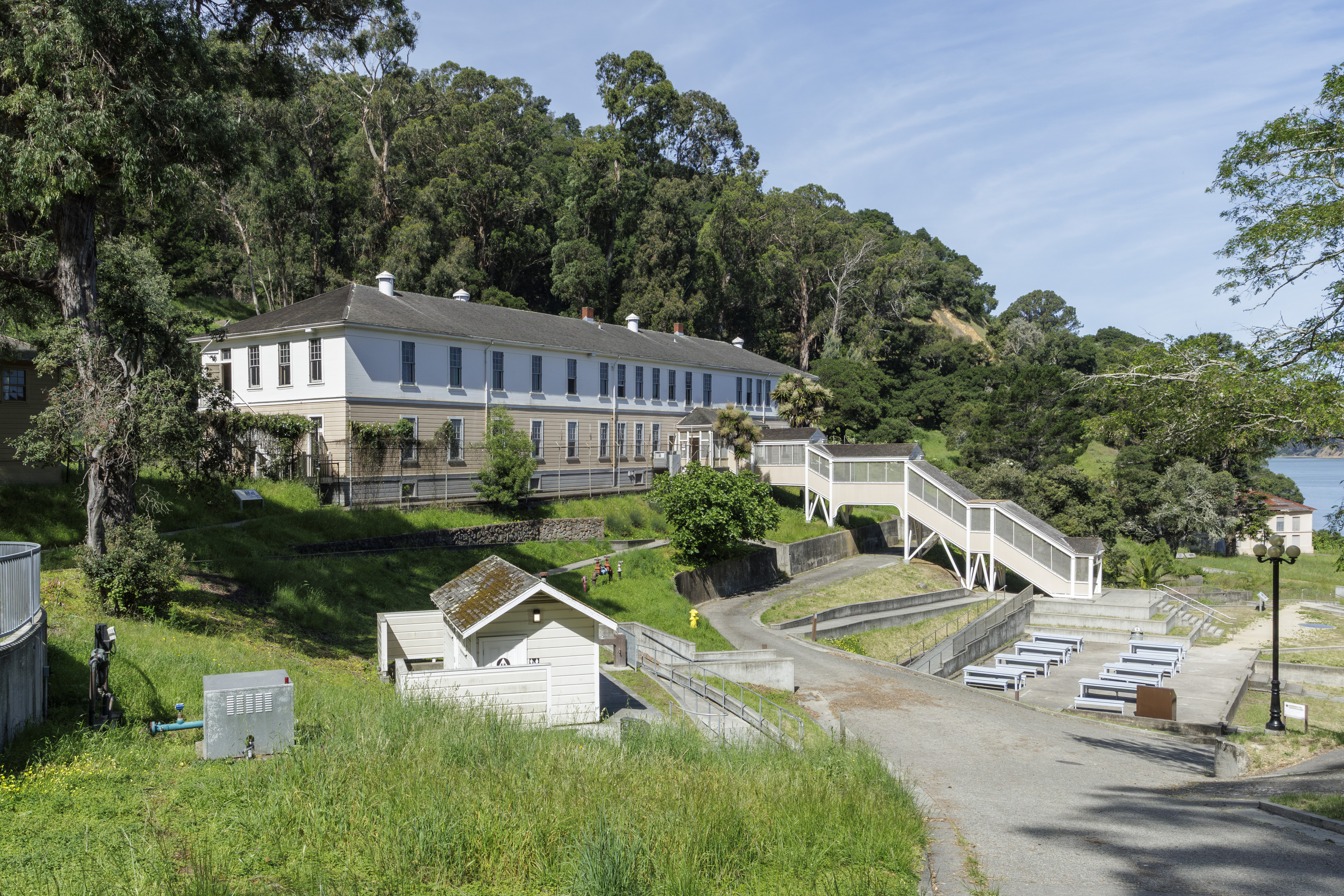
The San Bruno facility, officially called the National Archives at San Francisco, holds records on Angel Island immigrants, a majority of whom were Asian and subjected to discriminatory immigration law, as well as files on Indigenous peoples and Pacific-stationed Navy service members.
Din warned that many of the documents cannot simply be scanned. "They are not digitized, nor necessarily, can they be," he said. "Many of the files are three-dimensional objects, documents people brought over."
U.S. Rep. Kevin Mullin, D-South San Francisco, whose district includes San Bruno, toured the facility earlier in 2026. He has raised concerns about the closure timeline NARA outlined.
"These aren't just boxes of paper — it's tangible and critical information for the public," Mullin said. "Families whose ancestors immigrated through Angel Island can track their lineage, those whose loved ones served in the Navy and were stationed in the Pacific can learn about their legacy, and Native Americans whose history is documented over generations are all able to learn more because of this facility."
San Bruno Mayor Rico Medina said details remain scarce. "There's a lot of public records and stuff folks have come to rely on. To have it unavailable … that would be concerning," Medina said.
Save Our National Archives first formed in the late 1990s to block a previous closure attempt at the same site. That campaign succeeded. The group is now mobilizing again with a new letter-writing effort, though no specific deadline or public hearing date has been announced.