San Mateo County's median home price reached $2,401,000 in May 2026, according to California Association of Realtors data, up 9.1% from $2,200,000 a year earlier.
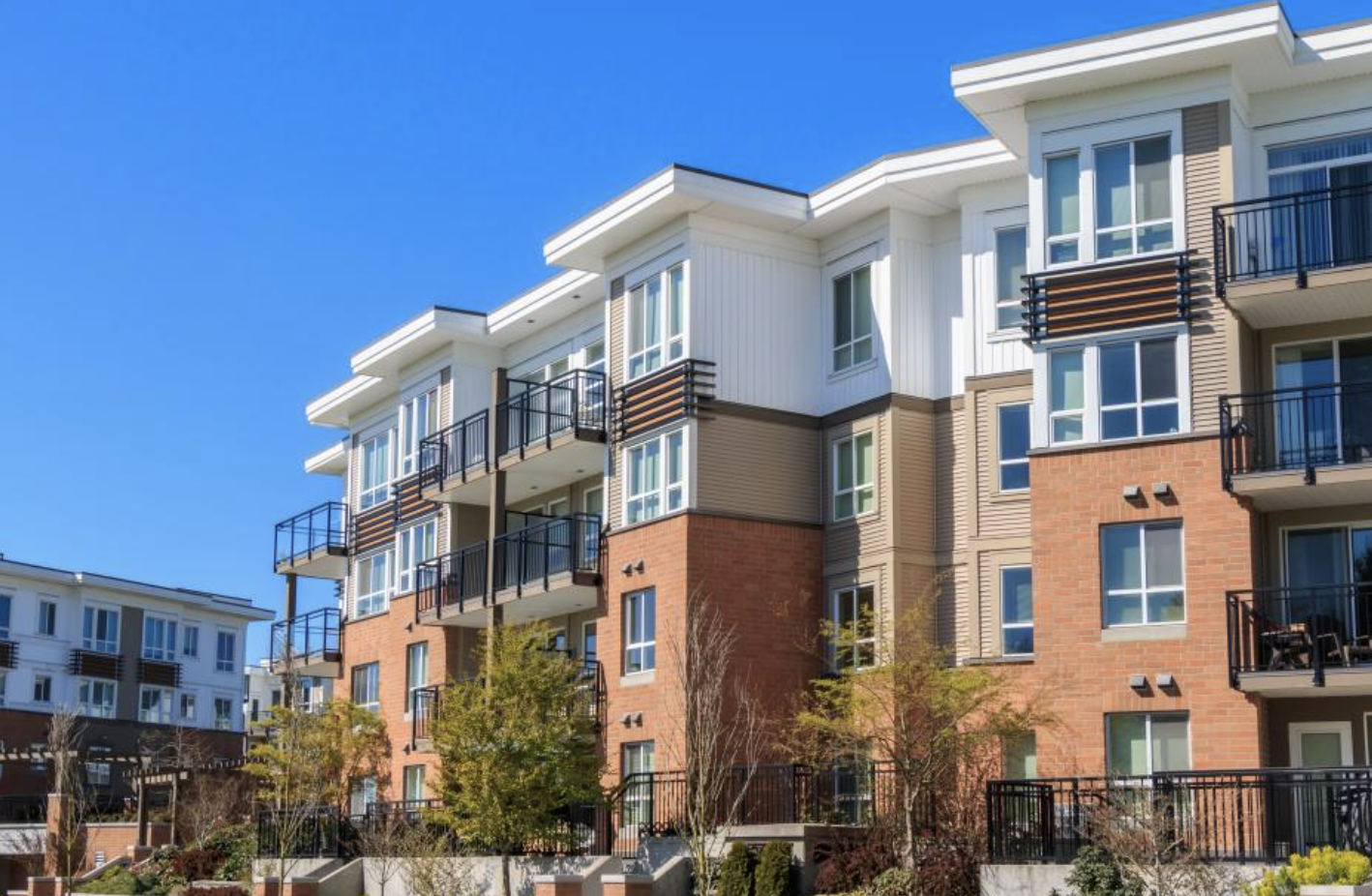
The city of San Mateo is preparing a zoning code overhaul that could make room for the condos, townhomes, and duplexes that housing advocates say are needed to close the gap.
In a guest opinion published Sunday, July 26, in The Almanac, District 4 Supervisor Lisa Gauthier argued the county needs more "missing middle" housing, the types that fall between a single-family home and a large apartment complex. She pointed to nurses, teachers, and first responders being priced out entirely, framing the shortage as a public safety problem: if emergency staff live outside the county, response times suffer when a crisis hits.
The state's median household income is $99,122, according to Gauthier's op-ed, a figure she contrasted with the county's $2.4 million median home price. National Association of Realtors data she cited shows the median age of a first-time homebuyer has risen to nearly 40, the highest on record.
"Affordable housing programs remain essential, but they cannot be our only strategy," East Palo Alto City Manager Melvin Gaines said in the op-ed. "Thousands of working families earn too much to qualify for assistance while earning far too little to purchase a home or afford market rents."
What San Mateo is doing
The city's Housing Element implementation plan includes Action H1.12, which directs planners to evaluate R2, R3, and R4 residential zones for barriers to small-scale development and amend the zoning code to remove them. The goal: roughly 50 units of missing middle workforce housing, with a 2026 target timeline.
That work feeds into a broader comprehensive zoning code update, the city's first in more than 40 years, being developed with consultant PlaceWorks. The city expects to release a public draft in fall 2026, according to a February 2026 council agenda report, with final adoption hearings anticipated in spring or summer 2027. San Mateo voters cleared the way in November 2024 by passing Measure T, which increased height and density limits in ten study areas.
At the county level, San Mateo County has invested $364 million since 2013 to create more than 5,100 affordable homes, with 529 additional units for families, veterans, and farmworkers coming online as of May 2026, according to the county government.
Gauthier's op-ed does not point to a specific Board of Supervisors vote or pending ordinance. The closest actionable next step for residents is the city's zoning code update, with a public draft expected this fall.