The Connect Bay Area regional transit sales tax has officially qualified for the Tuesday, November 3 ballot, and San Mateo County residents would feel it on top of what is already the fifth-highest minimum sales tax rate in California.
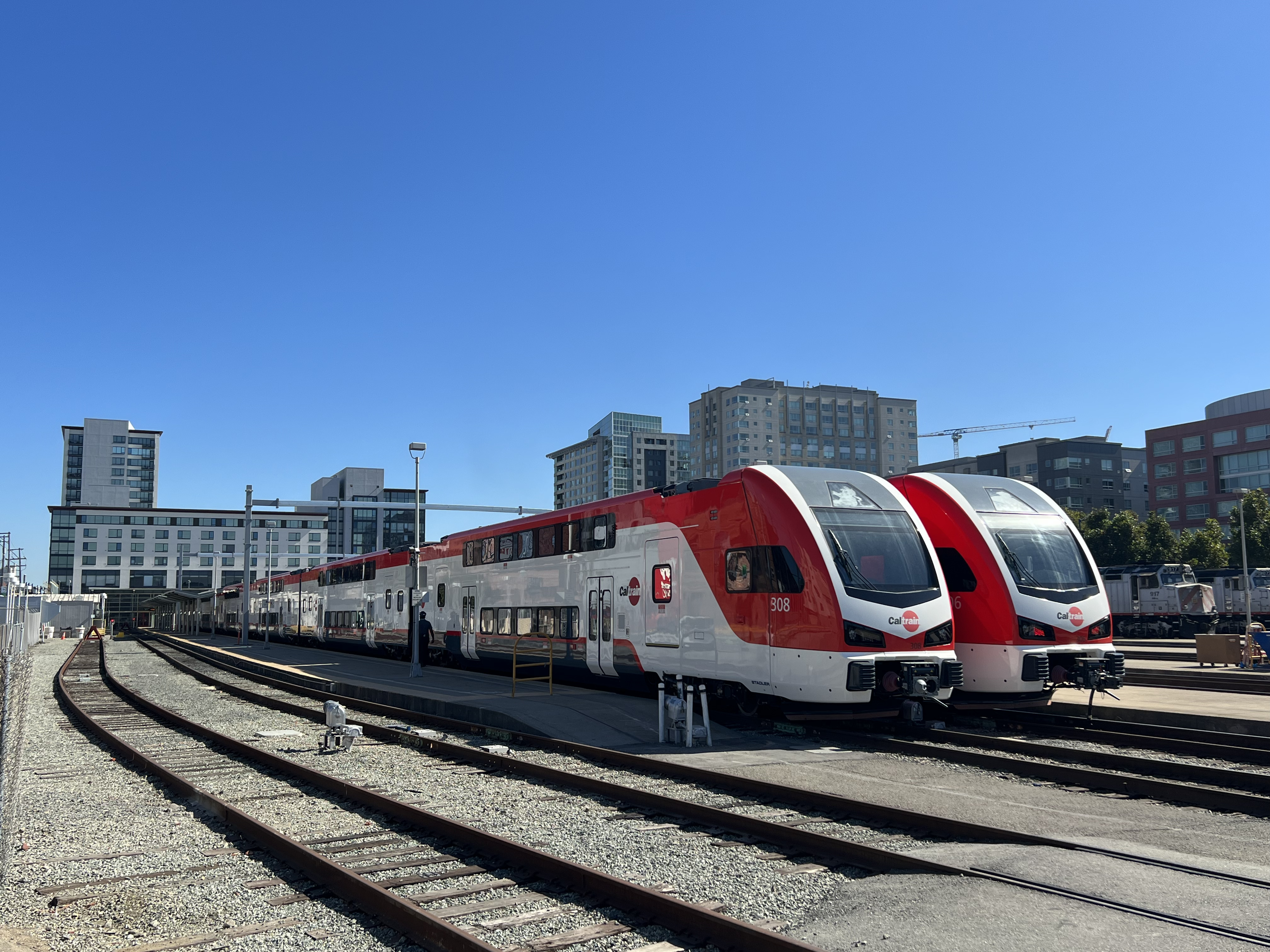
The county's current floor is 9.375%. The regional measure would add a half-cent, with revenue largely bridging deficits at Caltrain, which faces a $75 million average annual shortfall, and BART, which faces a $376 million gap. Without new revenue, BART has discussed closing some stations and reducing service to hourly trains, according to the San Francisco Chronicle.
And that's not the only tax question headed to voters. The City of San Mateo is weighing its own separate sales tax measure for the same ballot.
Five taxes already stacked
San Mateo County administers five sales taxes above California's 7.25% base rate. Four fund transportation: Measures A, W, RR, and the San Mateo County Transit District tax, which pay for road repairs, bike infrastructure, highway projects, and Caltrain and SamTrans operations. The fifth, Measure K, funds affordable housing, emergency operations, and healthcare.
State law caps local add-on sales taxes at 2% above the base, for a combined ceiling of 9.25%. The county already exceeds that through state-granted exemptions. Michael Coleman, a municipal finance expert, told the San Mateo Daily Journal that agencies routinely go to the state and ask for their rate to be exempt when they bump up against the cap.
Most cities in the county pay more than the 9.375% floor. Belmont, Redwood City, San Bruno, Half Moon Bay, and South San Francisco sit at 9.875%.
City of San Mateo eyes its own measure
Mayor Adam Loraine has framed the city's urgency in terms of capacity. "If we don't ask voters now for the opportunity to use that capacity toward local services, we may lose that opportunity to ask in the future," he told the Daily Journal. The city held community meetings with City Manager Alex Khojikian in June to discuss its fiscal outlook and the potential measure; details are posted at cityofsanmateo.org/ballotmeasure.
Supervisors split 3-2 on raising the cap
In May, the San Mateo County Board of Supervisors voted 3-2 to support state legislation that would allow another sales tax limit increase beyond the current cap. Supervisor Ray Mueller, who voted against it, warned that stacking taxes erodes public goodwill. "Whenever there is one agency that is taxing in excess, it takes away the voter goodwill," Mueller told the Daily Journal.
Supervisor Jackie Speier, who also serves on the San Mateo County Transportation Authority board, pushed for a gross receipts tax on businesses instead of a sales tax for the regional transit measure. The Bay Area Council opposed that approach.
Voter appetite uncertain
Michael Baldassare, survey director at the Public Policy Institute of California, told the Daily Journal that voters increasingly prefer lower taxes and fewer services. "Just saying, 'it's to keep our heads above water' may not be enough," Baldassare said.
Polling commissioned by the City of San Mateo showed 80% of respondents are satisfied with city services, but statewide ballot measures on the same November ballot that would restrict local taxing authority could complicate the picture. One would require a two-thirds majority to pass taxes that qualify via signature-gathering.
The SamTrans board adopted a local investment plan framework on Thursday, June 4, to guide spending if the Connect Bay Area measure passes. The November 3 general election will also include San Mateo City Council races in Districts 1, 3, and 5.