Sue Lempert fought a proposed casino at Bay Meadows, championed the waterfront parks San Mateo families use every weekend, and pushed Montessori and early childhood programs into local schools.
Now 94, the former city council member and mayor is the subject of a new statewide profile that calls her household "the most influential California political dynasty you've never heard of."
Columnist Joe Mathews published the profile July 12, in the Palisadian-Post and syndicated outlets including Zócalo Public Square. He interviewed Lempert at her dining room table in San Mateo, with family members joining in person and by Zoom.
Schools, then City Hall
Lempert arrived at Stanford in 1950 and became the first woman elected managing editor of the Stanford Daily. After earning a master's in international relations from Columbia, she and her husband Art, a lawyer, settled in San Mateo and raised three children.
Her public career began in 1977 on the elementary school district board, where she pushed for support for the lowest-performing students, expanded early childhood education, and introduced Montessori programs. She later chaired both the elementary and high school district boards.
In 1993, Lempert won a seat on the San Mateo City Council. Mathews's profile calls her "the mother of Shoreline Parks" for championing the bay-fronting open spaces along the waterfront, and "The Queen of Transit" for her work on the Bay Area Metropolitan Transportation Commission, where she became its longest-serving member.
The Bay Meadows casino fight
The decision Lempert calls the easiest of her council career was also the loneliest. In 1995, she was the only council member to oppose a proposed 50-table, 24-hour card room casino at the Bay Meadows racetrack. Colleagues warned she would never be chosen as mayor.
When she visited the Inglewood racetrack card room during a League of California Cities conference, she saw "the rows of old despondent men bent over their cards and cigarettes in the smoke-filled room." That sealed her opposition.
She helped launch a grassroots campaign against the measure. The racetrack spent $445,000 promoting it, according to a November 1995 SFGate report. Voters rejected the casino that November.
Her final council vote, in December 2005, approved the Bay Meadows mixed-use development plan. The 83-acre site adjacent to a Caltrain station now holds 1,100 homes, 1 million square feet of office space, and 40,000 square feet of retail, according to the San Francisco Chronicle, which called the project a model for Bay Area mixed-use redevelopments.
Three generations of public office
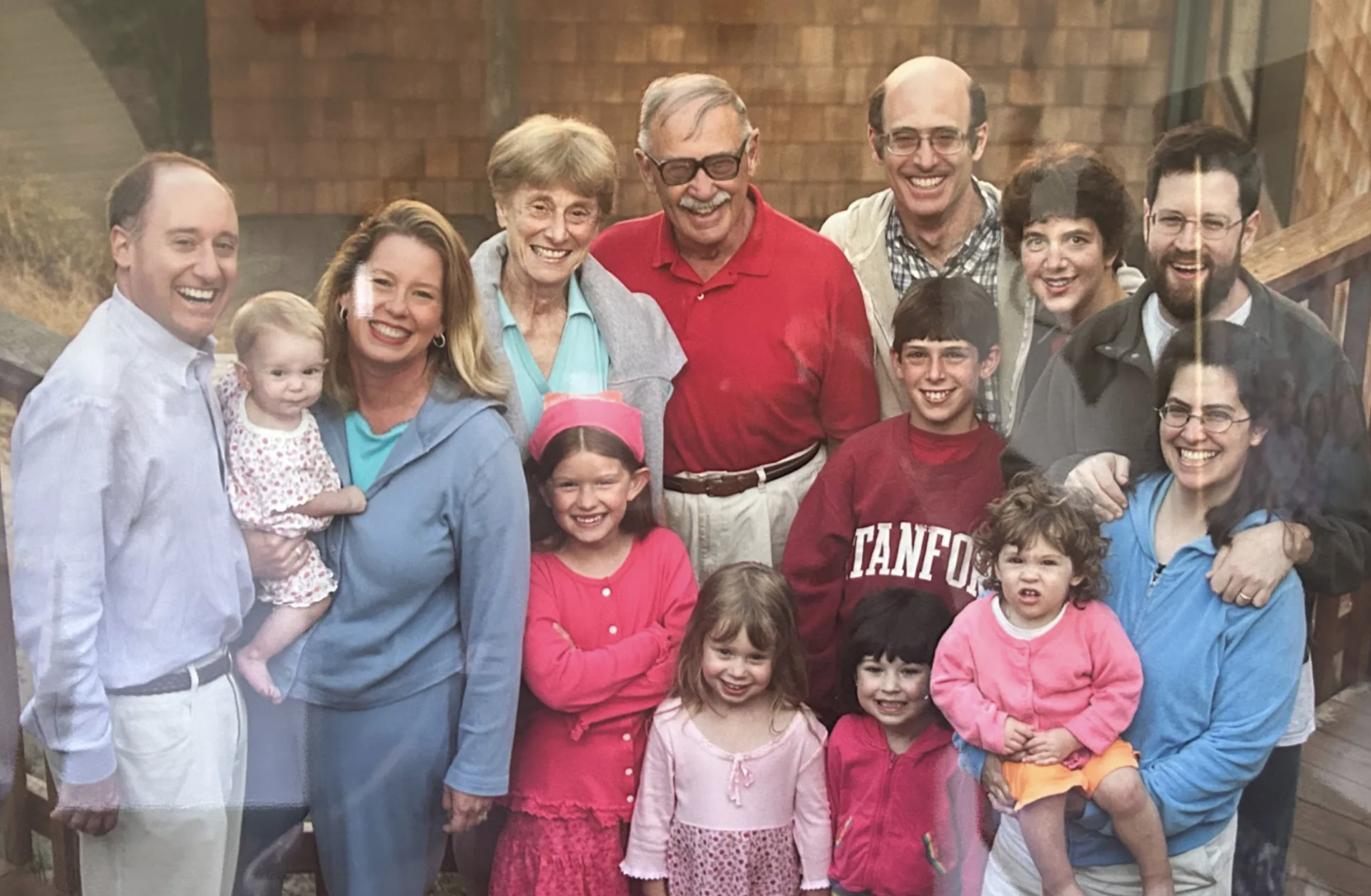
The profile traces civic engagement through three generations. Son Ted Lempert won a California State Assembly seat in 1988 with precinct-walking help from his mother, served four terms, sat on the San Mateo County Board of Supervisors, and now leads Children Now, a statewide children's advocacy nonprofit. Daughter Liz Lempert worked as an NPR producer before engineering a historic merger of two local governments in Princeton, New Jersey, and serving eight years as its first mayor. Son Rob Lempert is a RAND Corporation climate scientist who lost his Los Angeles home in the January 2025 Palisades Fire and has since organized civic assemblies to chart the neighborhood's recovery.
Grandchildren are following suit: two work in San Francisco politics, one is a public defender in Contra Costa County, and another serves in the state attorney general's natural resources division.
"Stop talking so much. Just get something done," Lempert told Mathews. "If you can't look back and say, 'I held elected office and I did this for the people,' then what the hell were you doing there?"
The family still gathers every summer at Pajaro Dunes in Santa Cruz County to eat burritos and debate politics. Art Lempert died in 2020. The Bay Meadows neighborhood Sue helped shape continues to fill up around the Caltrain station her husband rode to work every day.