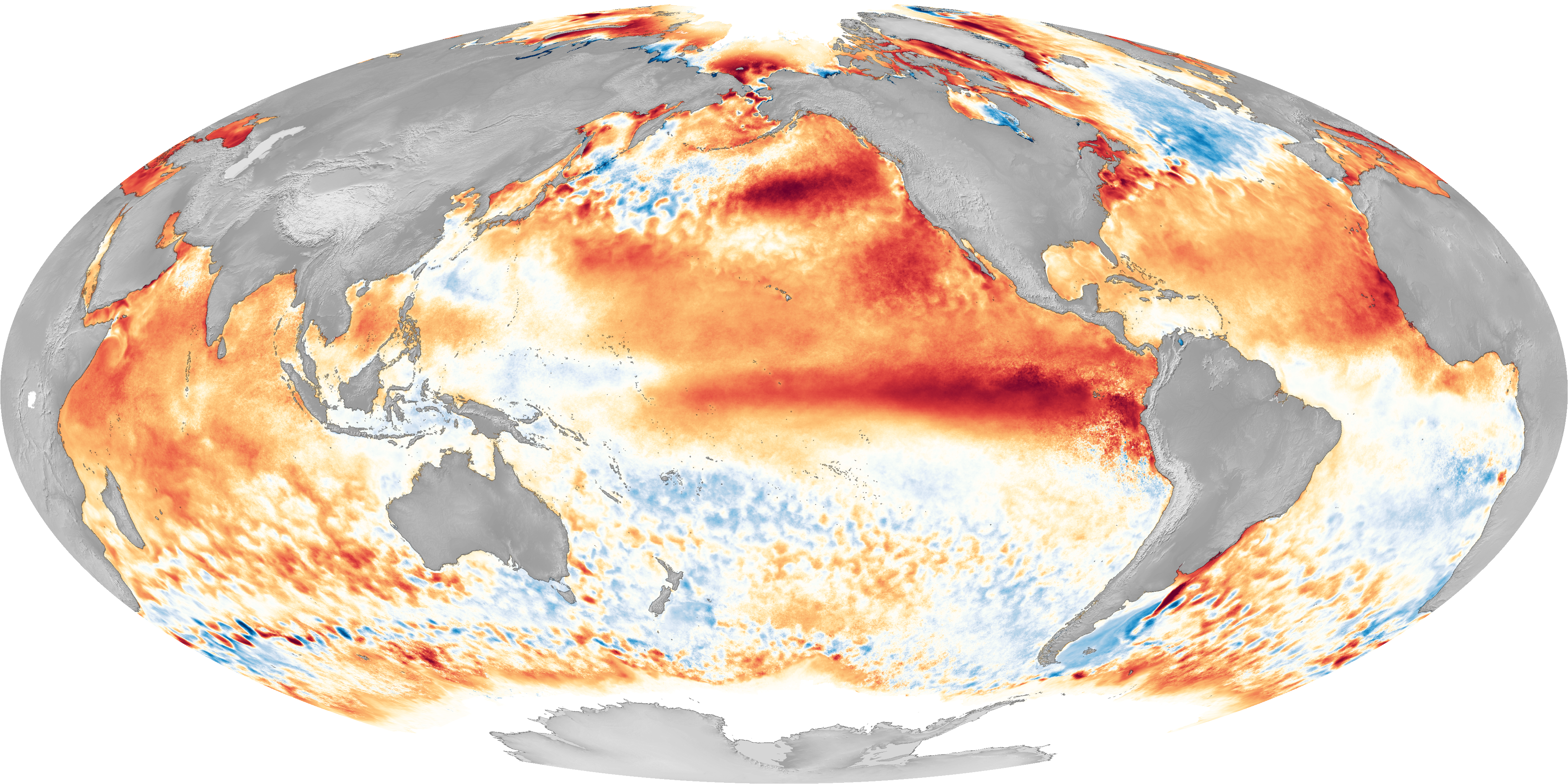
An El Niño that has already pushed tropical Pacific temperatures to their highest levels ever recorded is building toward what NOAA says has an 81% chance of becoming a "very strong" event by December.
For San Mateo County, that raises a familiar question: how wet will winter get?
NOAA declared in June 2026 that El Niño conditions had formed, and tropical Pacific temperatures used to measure the phenomenon hit record highs, National Weather Service meteorologist Joe Merchant told the San Mateo Daily Journal in a report published Tuesday, July 22.
The forecast is unusually confident. NOAA's Climate Prediction Center puts the odds of a "strong" or "very strong" El Niño by December at 97%, up from 63% in the agency's June update. Sea surface temperatures in the key Niño-3.4 monitoring region had climbed 3.6 degrees Fahrenheit above average as of early July, crossing the threshold scientists associate with a "super" El Niño.
NOAA's July forecast projects the event will peak between November 2026 and January 2027 and persist through early spring 2027.
"I cannot recall a time in my career where the model guidance has been so consistently predicting a strong-to-very strong El Niño," wrote Michelle L'Heureux, lead ENSO forecaster at NOAA's Climate Prediction Center.
What it means locally
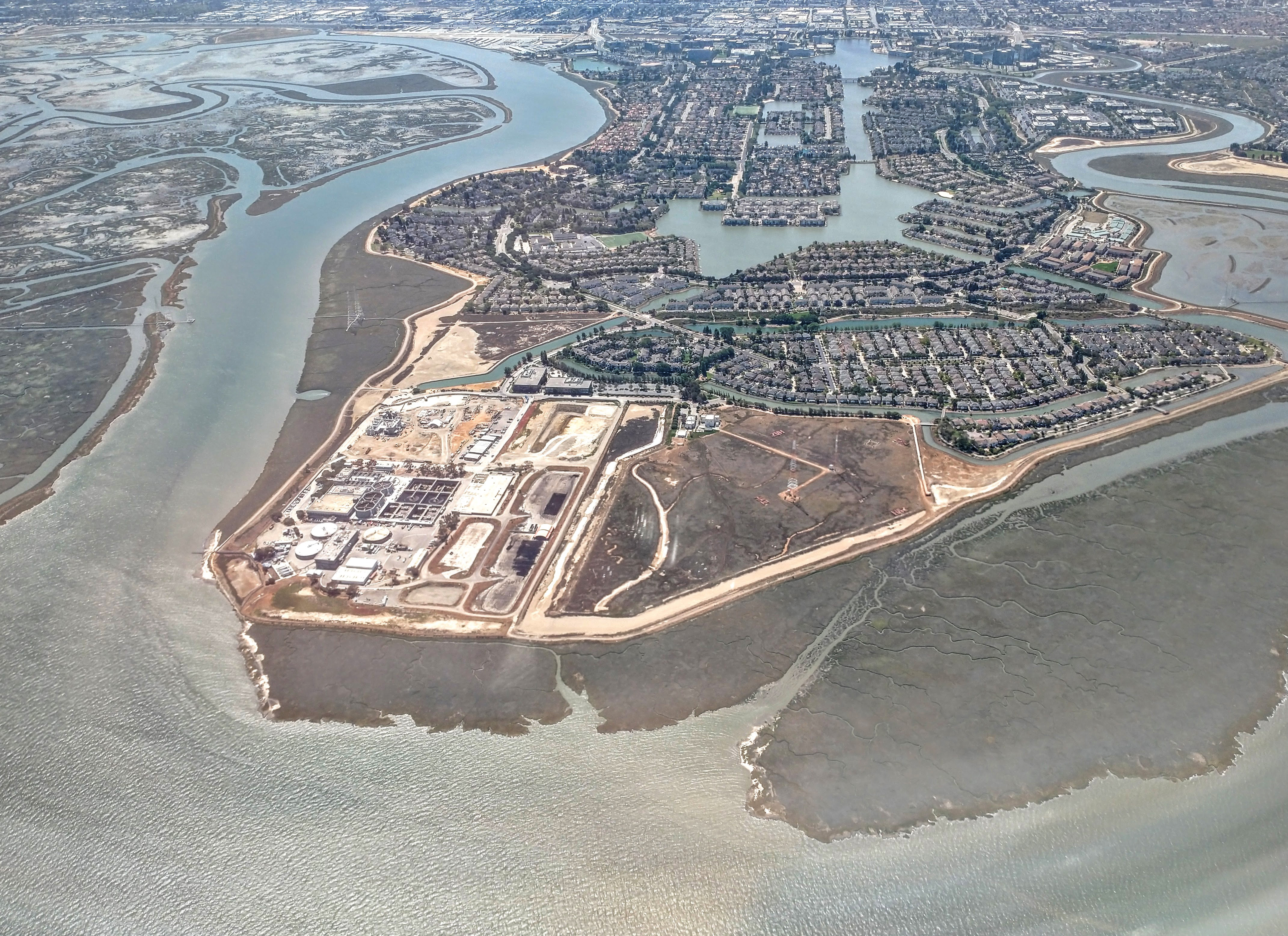
San Mateo County has reason to pay attention. The last "very strong" El Niño, in 2015-16, produced winter wave energy more than 50% greater than a typical year along the county's outer coast, causing unprecedented beach erosion, according to the county's Government Operations Climate Action Plan.
But experts caution that a strong El Niño does not guarantee heavy rain in the Bay Area. The 2015-16 event fell short of precipitation expectations in Northern California. El Niño tends to push the jet stream south, delivering more reliable storm impacts to Southern California while leaving the Bay Area's outlook less certain.
"We still don't know what the impacts are going to be from that, and that's the screaming message that I like to get out," said Jan Null, consulting meteorologist with Golden Gate Weather Services.
The county's climate resilience planning documents identify specific local risks during heavy-rain winters: overwhelmed creeks and storm sewers, flooded underpasses that cut off highway access, and traffic delays countywide. Severe storms hit communities across San Mateo County in December 2022 and January 2023, according to the county's Sustainability Department.
How to prepare
The county has not announced El Niño-specific preparations, but its 22nd annual Disaster Preparedness Day on Friday, August 1, at the San Mateo County Event Center offers general readiness resources. The free event includes workshops, emergency demonstrations from police and fire professionals, and family activities.
San Mateo County's Department of Emergency Management also urges residents to sign up for SMCAlert, the county's emergency notification system, at smcgov.org/dem/smc-alert. The system works alongside Wireless Emergency Alerts and NOAA Weather Radio to reach residents during emergencies.