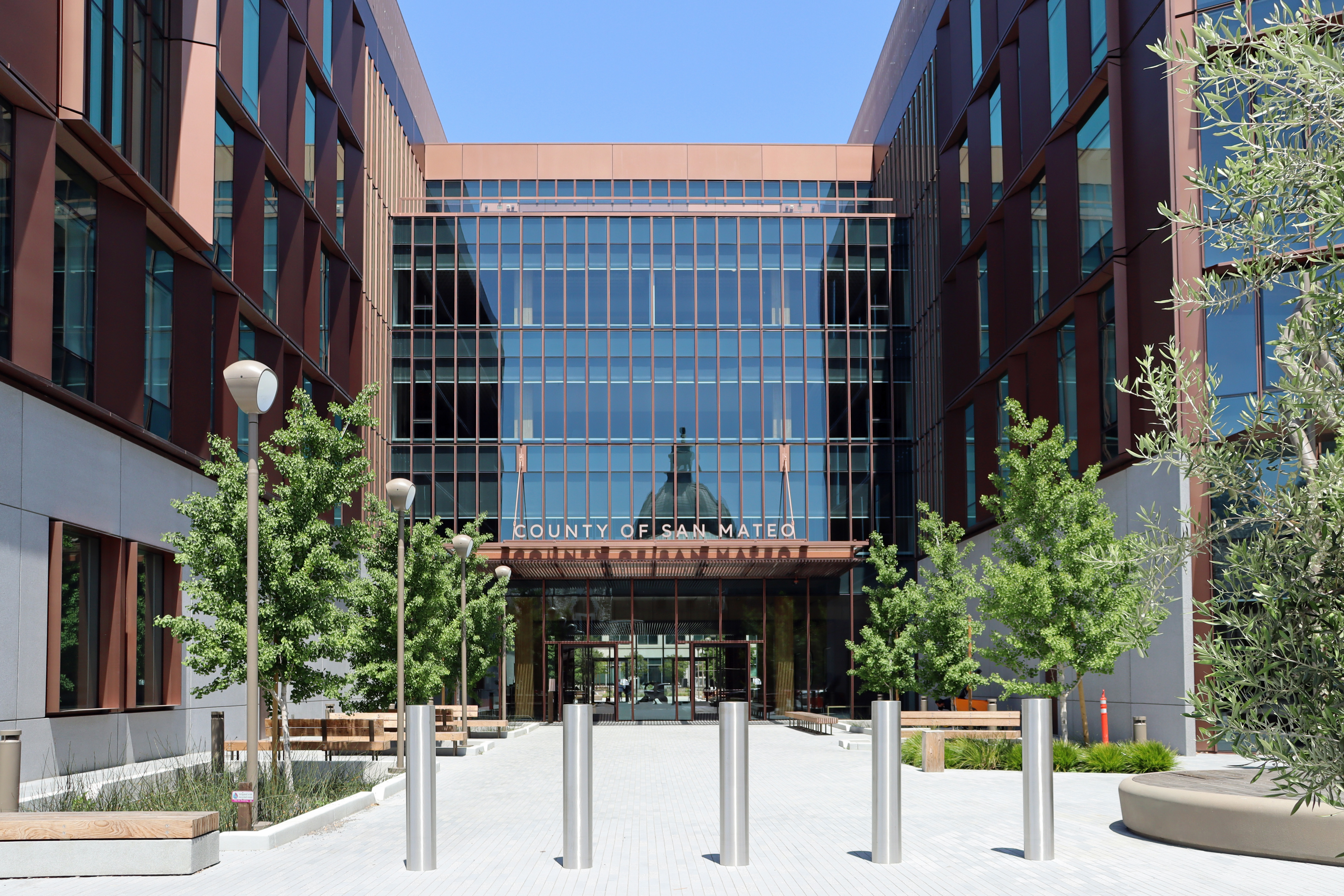
San Mateo County supervisors convened an emergency study session Thursday, Aug. 13, to confront a Vehicle License Fee shortfall that could strip nearly a quarter-billion dollars from county and city budgets in fiscal year 2026-27, compounding fiscal pressure on the City of San Mateo and its own projected $16 million general fund deficit.
The session was designated a "Meeting of Multiagency Significance" under state law, meaning city and town councils across the county, including San Mateo's, were invited to participate.
Vice President Ray Mueller told the board Tuesday, Aug. 11, that the county received updated projections roughly three weeks earlier showing the gap had ballooned to $230 million. "It is imminent and could not be more urgent," Mueller said, according to the Almanac.
The crisis was urgent enough to bump a separate juvenile hall review off the calendar.
What's at stake
County officials have identified specific services on the chopping block if the state does not make the county whole: eight shelters housing nearly 3,000 people, rental assistance for more than 5,500 families and seniors, early literacy programs serving about 7,400 children and psychiatric services for hundreds of unhoused residents, according to a county press release issued in April.
The City of San Mateo faces its own fiscal pressure, with a projected $16 million general fund deficit next fiscal year, more than double its current shortfall, according to a San Mateo Daily Journal report. The county-level VLF gap compounds that stress because San Mateo relies on county services and receives a share of VLF-related funding.
How the shortfall grew
The dispute traces to a 2004 state budget deal. Local governments accepted a permanently reduced vehicle license fee in exchange for reliable state replacement revenue, a mechanism called the "VLF swap." San Mateo County is one of only three counties, along with Alpine and Mono, where the swap broke down because nearly all school districts are "basic aid" districts, leaving insufficient state education funds to cover the gap.
The state has provided annual General Fund appropriations since 2012 to patch the hole, but never fully. In the 2025-26 budget, Sacramento sent $79 million against a $118 million request, according to a California Senate Budget Subcommittee analysis from May, leaving a $39 million balance from that request still unpaid. Separately, Mueller told the board this month that updated projections now put the shortfall at $226 million to $230 million — though public records reviewed for this story don't make clear whether that figure applies to the current fiscal year or to fiscal year 2026-27, or whether it covers the county alone or the county and its 20 cities combined.
All 20 cities in San Mateo County have joined the county in a lawsuit filed against the state after the 2025 Budget Act, seeking to recover the funds. The case remains pending.
Thursday's session
The Aug. 13 study session agenda covered three parts: an overview of updated shortfall projections for each jurisdiction, presentations on budget and workforce impacts, and next steps. No formal board action was taken; the session was structured for presentation and discussion only.
Board President Noelia Corzo said at an April 7 press conference at Redwood City Fire Station 9 that the county is owed "over $157 million right now, and more than $1 billion over the next decade" if the issue is not resolved. The updated $230 million figure Mueller disclosed in August suggests the gap has widened faster than projected.
The San Mateo County Central Labor Council urged members to attend the session, calling for a permanent legislative solution before the state Legislature's August recess.
What's next
The next regular Board of Supervisors meeting is Tuesday, Aug. 25, at 9 a.m. at 500 County Center in Redwood City. Residents can submit written comments to [email protected] or attend in person or via Zoom.